

Most people think digital health tracking is just about counting steps. In reality, modern wearables collect complex physiological and behavioral data using sophisticated sensors and AI algorithms. These devices measure heart rate variability, sleep patterns, oxygen levels, and caloric expenditure to provide comprehensive health insights. This guide explains the sensor technology behind digital health tracking, examines data accuracy across different metrics, and shows you how to use these tools effectively for fitness progress and weight management.
Table of Contents
- Understanding Digital Health Tracking Technology
- Accuracy And Reliability: What The Data Really Shows
- From Data To Insight: How Digital Health Tracking Guides Your Fitness Progress
- Challenges And Best Practices For Effective Digital Health Tracking
- Explore MeasureMe For Precise Body Measurements
- Is Digital Health Tracking Accurate Enough For Serious Fitness Goals?
Key takeaways
| Point | Details |
|---|---|
| Multi-sensor technology | Wearables combine accelerometers, PPG sensors, gyroscopes, and GPS to capture comprehensive health data |
| Variable accuracy | Step counting and heart rate monitoring are reliable, but energy expenditure estimates vary significantly across devices |
| AI-driven insights | Algorithms transform raw sensor data into personalized recommendations for fitness, sleep quality, and weight management |
| Privacy considerations | Health data requires secure storage and careful permission management to protect sensitive personal information |
| Best practices | Proper device placement, regular calibration, and professional guidance maximize tracking benefits |
Understanding digital health tracking technology
Digital health tracking relies on miniaturized sensors that capture physiological and movement data continuously. Modern fitness trackers integrate PPG sensors, accelerometers, and gyroscopes to monitor multiple health metrics simultaneously. These components work together to create detailed profiles of your daily activity, cardiovascular function, and recovery patterns.
The core sensors include:
- Accelerometers detect movement direction and intensity
- Gyroscopes measure rotational motion and orientation
- PPG sensors use light to measure blood flow and heart rate
- SpO2 sensors track blood oxygen saturation levels
- GPS modules record location and distance for outdoor activities
Step counting technology demonstrates how these sensors work together. When you walk, the accelerometer detects vertical and horizontal movements. Signal processing algorithms filter out non-walking motions like arm swings or vehicle vibrations. The system calibrates based on your stride length and movement patterns to estimate distance traveled.
Wearable devices generate multi-dimensional data streams encompassing heart rate variability, physical activity, caloric expenditure, sleep patterns, and stress indicators. This comprehensive approach allows devices to identify trends that single metrics might miss. For example, elevated resting heart rate combined with poor sleep quality might indicate overtraining or illness.
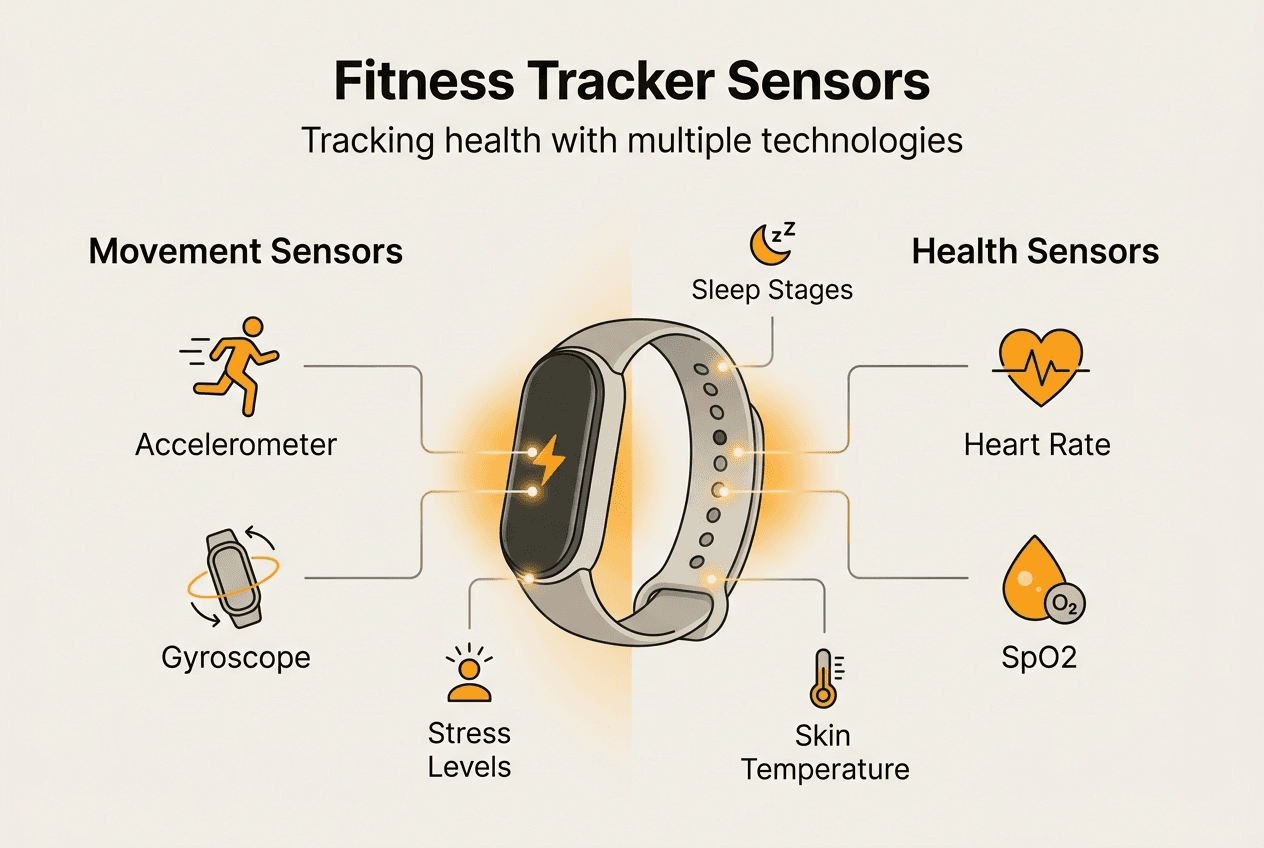
The data processing pipeline transforms raw sensor readings into useful information. First, the device extracts signals from background noise. Next, calibration algorithms adjust for individual differences in physiology and device placement. Finally, machine learning models interpret the cleaned data to generate health metrics and recommendations.
Pro Tip: Place your fitness tracker one finger width above your wrist bone for optimal PPG sensor contact. This simple adjustment improves heart rate accuracy by reducing motion artifacts during exercise.
Modern wearables collect thousands of data points daily, but the real value comes from pattern recognition algorithms that identify meaningful changes in your health status over time.
The offline body measurement tracker approach complements sensor-based tracking by adding manual body measurements to your fitness data. This combination provides a complete picture of physical changes that automated sensors might miss.
Accuracy and reliability: what the data really shows
Understanding measurement accuracy helps you interpret tracking data correctly and set realistic expectations. Different metrics show varying levels of precision, and several factors influence how closely device readings match clinical measurements.

Step counting accuracy depends heavily on device placement and activity type. Wrist-worn trackers perform well during walking but may overcount during activities involving arm movements. Hip-mounted devices typically provide more consistent step counts but are less convenient for continuous wear.
Heart rate monitoring shows mild underestimation but acceptable variability for fitness tracking purposes. Specificity is higher than sensitivity in detecting irregular rhythms like atrial fibrillation. This means devices are better at confirming normal heart rhythms than identifying all abnormal patterns.
Energy expenditure measurements present the biggest accuracy challenge. Accuracy for step count and sleep metrics is moderate, but calorie estimates vary widely between devices and activities. The complexity of metabolic calculations and individual variations in efficiency make precise energy tracking difficult.
| Metric | Typical Accuracy | Key Limitations |
|---|---|---|
| Step Count | 90-95% | Arm movements, vehicle motion |
| Heart Rate | 85-95% | Skin tone, tattoos, poor fit |
| Sleep Duration | 80-90% | Distinguishes sleep from rest |
| Energy Expenditure | 60-80% | Individual metabolism varies |
| Blood Oxygen | 85-95% | Requires stillness, good contact |
Recent technological improvements are closing these accuracy gaps. Wrist-worn wearables using new algorithms provide reliable energy expenditure measures with low error in people with obesity. These advances use machine learning to account for individual metabolic differences and activity patterns.
Several factors influence measurement reliability:
- Sensor quality and calibration status
- Proper device fit and placement
- Skin characteristics affecting optical sensors
- Activity type and intensity level
- Environmental conditions like temperature
Pro Tip: Compare your device readings against manual measurements or clinical tests periodically. This validation helps you understand your specific device's accuracy patterns and adjust your interpretation accordingly.
The offline measurement accuracy insights from manual tracking provide a valuable cross-reference for automated measurements. When body composition changes don't match weight trends from your scale, manual measurements often reveal the full picture.
For more details on sensor precision, explore energy expenditure accuracy research examining the latest validation studies.
From data to insight: how digital health tracking guides your fitness progress
Raw sensor data becomes useful only after sophisticated processing transforms numbers into actionable guidance. AI algorithms analyze patterns across multiple metrics to generate personalized recommendations that support your specific fitness goals.
The transformation process involves several steps. First, algorithms establish your baseline patterns for activity, sleep, and physiological metrics. Next, machine learning models compare your current data against these baselines and population norms. Finally, the system generates insights about trends, anomalies, and opportunities for improvement.
AI frameworks combined with ethical deployment optimize personalized health recommendations by balancing accuracy with privacy protection. These systems learn from your behavior without requiring constant manual input or complex configuration.
Personalized feedback examples include:
- Activity goal adjustments based on recent performance trends
- Sleep quality scores with specific improvement recommendations
- Recovery time estimates after intense workouts
- Calorie intake suggestions aligned with weight management goals
- Stress level alerts with guided breathing exercises
Traditional fitness tracking recorded data but left interpretation to users. AI-enhanced systems actively guide behavior changes by identifying specific actions likely to improve your metrics.
| Feature | Traditional Tracking | AI-Enhanced Tracking |
|---|---|---|
| Data Collection | Manual or basic sensors | Multi-sensor continuous monitoring |
| Analysis | User interprets numbers | Automated pattern recognition |
| Recommendations | Generic fitness advice | Personalized action plans |
| Adaptation | Static goals | Dynamic goal adjustment |
| Motivation | Progress charts | Predictive insights and coaching |
Digital health applications achieve significant weight loss (>5%) in people with obesity by combining tracking with behavioral interventions. The key is consistent engagement with personalized feedback rather than passive data collection.
These insights motivate behavior changes through several mechanisms. Seeing concrete progress reinforces positive habits. Identifying patterns helps you understand what works for your body. Predictive alerts prevent backsliding before it becomes significant.
Pro Tip: Review your weekly trends rather than daily fluctuations. Day-to-day variations are normal, but weekly patterns reveal genuine progress or areas needing adjustment. This perspective reduces frustration and maintains motivation.
The personalized health tracking apps approach emphasizes privacy while delivering customized insights. Your data remains under your control while still benefiting from intelligent analysis.
For comprehensive information on tracking benefits, visit digital health apps benefits research documenting clinical outcomes.
Challenges and best practices for effective digital health tracking
Despite technological advances, digital health tracking faces real limitations that users should understand. Awareness of these challenges helps you maximize benefits while avoiding common pitfalls that reduce tracking effectiveness or create false confidence.
Data accuracy issues, privacy concerns, and technology over-reliance are key pitfalls in digital health tracking deployment. Each challenge requires specific strategies to mitigate risks and ensure safe, effective use.
Common accuracy issues stem from:
- Inconsistent device placement affecting sensor contact
- Motion artifacts during high-intensity activities
- Individual physiological variations not captured by algorithms
- Environmental factors like temperature extremes
- Battery depletion reducing sensor performance
Privacy and security considerations become critical when dealing with sensitive health information. Your tracking data reveals patterns about daily routines, health conditions, and personal habits. Unauthorized access could enable discrimination, identity theft, or unwanted marketing.
Protect your health data by:
- Reading privacy policies before installing tracking apps
- Limiting data sharing to essential services only
- Using strong passwords and two-factor authentication
- Regularly reviewing app permissions and revoking unnecessary access
- Keeping device firmware and apps updated with security patches
Over-reliance on tracking technology creates another risk. Some users develop anxiety about hitting daily targets or obsess over minor metric fluctuations. Others ignore important symptoms because their device shows normal readings. Technology is a tool, not a solution; combining with behavioral strategies and professional guidance yields best outcomes.
Validation and calibration are essential; users should cross-reference data with other sources like manual measurements, clinical tests, or professional assessments. This practice builds confidence in accurate readings while identifying when device recalibration is needed.
Best practices for effective tracking:
- Calibrate devices using known distances or clinical measurements
- Wear devices consistently in the same position
- Clean sensors regularly to maintain optical contact
- Charge devices fully to ensure consistent performance
- Compare trends over weeks rather than focusing on daily variations
- Combine automated tracking with manual body measurements
- Consult healthcare providers before making significant health decisions
Pro Tip: Create a weekly review routine where you examine trends across all metrics together. This holistic view reveals connections between sleep, activity, and recovery that individual metrics might obscure.
The most successful fitness tracking approaches balance technology with human judgment, using devices to inform decisions rather than dictate them.
The effective tracking strategies that combine automated and manual measurements provide redundancy that catches errors and confirms genuine progress.
Learn more about navigating digital health tracking challenges through evidence-based approaches.
Explore MeasureMe for precise body measurements
While wearable sensors excel at tracking activity and physiological metrics, manual body measurements remain essential for monitoring physical changes during fitness journeys. MeasureMe offers a simple solution for tracking circumference measurements, weight, and body composition changes over time.
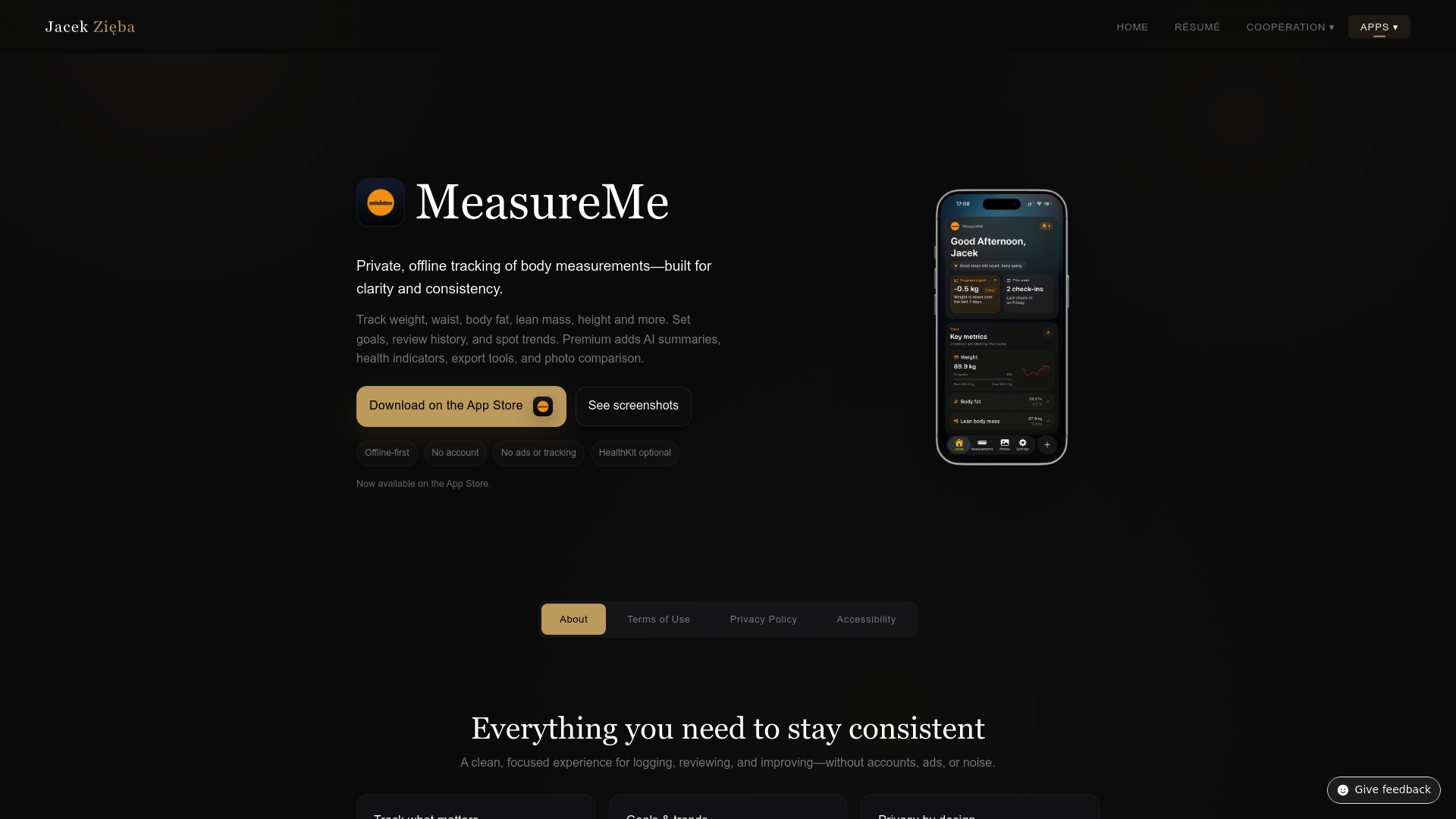
The app keeps your data completely private by storing measurements locally on your device with secure iCloud sync. No accounts, no data sharing, no privacy concerns. Track chest, waist, hips, arms, and legs alongside weight and body fat percentage to see progress that scales alone might miss.
MeasureMe integrates seamlessly with your existing digital health tracking routine. Compare automated activity data from wearables with manual measurement trends to understand how exercise translates into physical changes. The visual progress charts make it easy to stay motivated even during plateaus.
Visit the MeasureMe body measurement tracker to learn how offline tracking complements your fitness technology. Review the cookies policy for details on how the website protects your privacy.
Is digital health tracking accurate enough for serious fitness goals?
Can I trust my fitness tracker for training decisions?
Accuracy varies by metric and device, but many measurements like steps and heart rate are sufficiently reliable for most fitness tracking purposes. Step counting typically achieves 90-95% accuracy, while heart rate monitoring reaches 85-95% precision during steady-state activities. Energy expenditure estimates are less reliable, so use them as rough guides rather than exact values.
When should I verify tracking data with other sources?
Cross-reference device data with manual measurements or clinical tests for critical health decisions. If your tracker suggests unusual patterns like persistent elevated heart rate or dramatic calorie deficits, consult healthcare providers before adjusting training or nutrition significantly. Combining multiple data sources reduces the impact of individual measurement errors.
What sensors are typically included in fitness tracking devices?
Which sensors measure heart rate and blood oxygen?
PPG sensors use light to detect blood flow changes, calculating heart rate from pulse patterns. SpO2 sensors employ multiple light wavelengths to measure blood oxygen saturation. Both rely on optical technology that requires good skin contact and works best during rest or moderate activity.
How do accelerometers and gyroscopes track movement?
Accelerometers detect linear acceleration in three dimensions, capturing steps, arm movements, and activity intensity. Gyroscopes measure rotational motion and device orientation, helping distinguish between different activity types. Together, these sensors enable accurate step counting, activity classification, and sleep stage detection.
How can I improve the accuracy of my health tracking data?
What device placement provides the most accurate readings?
Wear wrist devices one finger width above your wrist bone with a snug but comfortable fit. The sensor should maintain constant skin contact without restricting circulation. For activities with significant arm movement, consider chest straps for heart rate monitoring, as they typically provide superior accuracy during high-intensity exercise.
Should I calibrate my fitness tracker regularly?
Yes, periodic calibration significantly improves accuracy. Walk or run a known distance to calibrate step length and distance calculations. Compare resting heart rate readings against manual pulse checks. Update your profile with current weight and height, as these factors affect calorie expenditure algorithms.
Are there privacy risks with digital health trackers?
What health data do fitness trackers typically collect?
Trackers collect activity patterns, heart rate, sleep duration, location data, and sometimes blood oxygen levels. This information reveals daily routines, health conditions, fitness levels, and geographic movements. Combined data creates detailed profiles that could be misused if accessed by unauthorized parties.
How can I protect my health tracking data?
Use trusted apps from reputable developers and review privacy policies before installation. Enable two-factor authentication and use strong, unique passwords. Limit data sharing permissions to essential functions only. Regularly audit which apps have access to your health data and revoke unnecessary permissions. Keep software updated to patch security vulnerabilities.